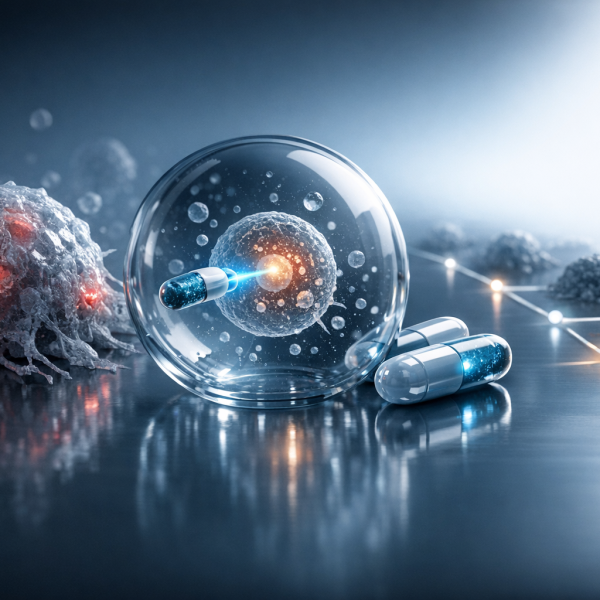
For a long time, the story of cancer treatment was mostly about attacking the tumour directly, with surgery to cut it out, radiation to burn it, or chemotherapy to poison fast growing cells. Immunotherapy for cancer takes a different route. Instead of aiming at the tumour, it aims at the patient's own immune system, retraining the body's natural defences to recognise cancer and destroy it. Over the past decade this approach has moved from the fringes of oncology to the centre of it.
The basic idea rests on a frustrating quirk of biology. Cancer cells begin as normal cells, so the immune system often fails to see them as a threat. Some tumours go further and switch off the very immune cells that come to investigate. Immunotherapy tries to correct that blind spot.
How immunotherapy for cancer actually works
There is no single immunotherapy. The term covers a family of treatments that nudge the immune system in different ways. Checkpoint inhibitors, probably the best known, release the brakes that tumours use to shut down immune cells, and drugs in this group have produced striking results in melanoma and lung cancer. CAR T cell therapy takes a patient's own T cells, engineers them in a lab to hunt a specific target, then returns them to the body as a kind of living drug. Cancer vaccines and other immune modulators round out the toolkit.
What links them is the goal: not to poison the cancer from outside, but to help the body do the job itself. When it works, the effect can be durable, because a trained immune system keeps patrolling long after treatment ends.
Signs immunotherapy is working, and its limits
Patients and families understandably look for clear signs immunotherapy is working, but the picture is rarely simple. Scans can mislead early on, since inflammation from an immune response sometimes makes a tumour look larger before it shrinks, a pattern doctors call pseudoprogression. Response is usually judged over weeks and months through imaging, blood tests and how a person actually feels, not from a single result.
The honest truth is that immunotherapy does not work for everyone. Some cancers barely respond, and researchers are still working out why one patient benefits enormously while another with a similar tumour sees little effect. This is where the wider shift toward personalized medicine matters, because matching the right treatment to the right biology is exactly the problem oncology is trying to solve.
Immunotherapy vs chemotherapy
People often ask about immunotherapy vs chemotherapy as if one has simply replaced the other. It has not. Chemotherapy remains essential for many cancers and frequently works alongside newer treatments rather than against them. The two also cause different kinds of side effects. Chemotherapy tends to hit fast dividing cells throughout the body, causing hair loss and nausea, while immunotherapy can occasionally push the immune system too hard, leading it to attack healthy organs. Neither is gentle, and both demand close monitoring by a specialist team.
Who it is for, and why access matters
Not every patient qualifies. Eligibility depends on the type and stage of cancer, specific biomarkers in the tumour, and a person's overall health, and an oncologist weighs all of that before recommending a course. Because these treatments are complex and often expensive, access is uneven around the world, and clear information in a patient's own language can be the difference between understanding a treatment plan and feeling lost inside it. Clinics that treat international patients know that medical documents need a certified translator, not just AI, since a mistranslated dose or consent form carries real risk.
The stakes are similar when care crosses language barriers: hospitals, trial sponsors, and insurers increasingly rely on professional medical translation services to render consent forms, discharge summaries, and dosage instructions with zero ambiguity. Certified medical linguists understand both the terminology and the regulatory context that machine translation alone cannot capture. That precision is what keeps a translated treatment plan as safe and reliable as the original.
Treatment of that kind is concentrated in a handful of specialist centres, which means patients and families frequently travel for it. Extended stays follow. Several major facilities sit in brisbane australia, drawing people from across Queensland and the Pacific.
What a course of treatment looks like
Immunotherapy is usually given as an infusion at a clinic, often every two to six weeks depending on the drug, with each session lasting anywhere from half an hour to a couple of hours. Many people carry on with ordinary life between visits, working and seeing family, which is part of the appeal. Treatment can continue for months or, in some cases, a year or more, and the medical team keeps checking blood work and scans throughout. Side effects, when they appear, are managed as they arise, and patients are given a clear list of symptoms that should prompt an immediate call to the clinic.
A field still moving fast
Immunotherapy is one of the most active areas in medicine, and the research is genuinely encouraging, but it is not a guaranteed cure and it is not right for every cancer. Authoritative overviews from the scientific literature and bodies such as the National Cancer Institute are a sound starting point for anyone who wants to understand the options in depth.
If you or someone close to you is facing a diagnosis, the most important step is a conversation with a qualified oncologist who knows the full medical picture. This article is meant to explain how immunotherapy works, not to guide any individual decision. What it can offer is a sense of why so many researchers are hopeful: for the first time, a growing number of patients are being treated not by attacking their cancer alone, but by teaching their own bodies to finish the fight.