A cancer diagnosis brings a flood of unfamiliar words: regimen, cycle, protocol, dose intensity. Behind them sits a plan that was built carefully, often by a whole team. Understanding how that plan takes shape helps patients and families ask better questions. A good treatment plan is a living document, not a fixed prescription, and it changes as the person and the disease respond.
It starts with the right diagnosis
Before any drug is chosen, doctors need to know the exact type of cancer, its stage and its biology. Imaging, biopsies and lab tests answer these questions. Molecular tests now look for specific changes in tumor cells, because two people with the same organ affected can need very different drugs.
The team behind the plan
Most hospitals review complex cases in a tumor board. Oncologists, surgeons, radiation specialists, pathologists, pharmacists and nurses discuss the options together. This shared view reduces blind spots and often leads to combinations of surgery, radiotherapy and drugs that no single doctor would choose alone.
Main drug families in plain words
Chemotherapy attacks fast-growing cells and has been used for decades. Targeted therapy blocks a particular molecule that helps a tumor grow. Immunotherapy helps the immune system recognize cancer cells. Hormone therapy lowers or blocks the hormones that feed certain tumors. Many patients receive a mix, either together or in sequence.
Dose, cycles and timing
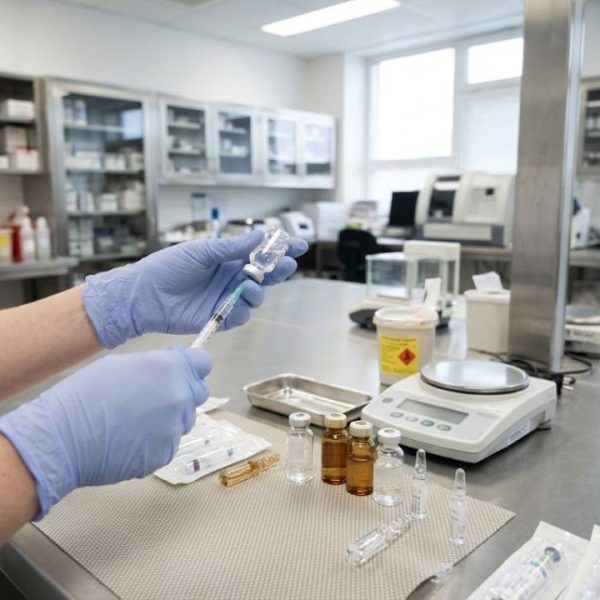
Drugs are usually given in cycles, with rest periods that allow healthy tissue to recover. Doses depend on body size, kidney and liver function, and other medicines the patient takes. A pharmacist double checks every order, because small calculation errors can have large effects.
Managing side effects early
Nausea, tiredness, low blood counts and nerve problems are common. Teams now offer anti-nausea drugs, growth factors, physiotherapy and nutrition advice from the first cycle rather than waiting for problems. Reporting symptoms early often keeps treatment on schedule. A short diary of how you feel each day gives the clinic useful data.
How new drugs reach patients
New medicines move through several trial phases, from small safety studies to large comparisons with standard care. Regulators then review the evidence before approval. Because trials run in many countries, patients sometimes join studies abroad, and that brings paperwork in several languages.
When records cross borders
Patients who seek a second opinion, join a trial or move to another country must share their files. Pathology reports, scan summaries, discharge letters and drug lists may need to be understood by a new team. Specialist medical translation services keep dosages, units and diagnoses accurate, because a decimal point or a drug name misread can change a plan.
Insurers and hospitals abroad also ask for official versions of records. A guide to medical document translation for treatment and insurance explains which papers usually need a certified copy and how to prepare them.
Questions worth asking your doctor
Ask what the goal of treatment is: cure, control or comfort. Ask how success will be measured, which side effects need a call at once, and what happens if the first plan stops working. Write answers down or bring a relative to help remember.
Cost, coverage and support
Cancer drugs can be expensive, and coverage rules differ widely. Social workers and patient navigators in many hospitals help with forms, appeals and financial aid. Do not wait until bills arrive to ask for help.
Emotional and practical care
Treatment is more than medicine. Sleep, movement, nutrition and mental health support improve how patients feel and often how well they tolerate therapy. Support groups, counseling and palliative care teams can join at any stage, not only at the end of life.
Reliable places to learn more
Patients often search online late at night, so it helps to know trusted sources. The World Health Organization cancer fact sheet gives a clear overview of causes, prevention and treatment, and national cancer institutes publish plain language guides for specific diseases.
Follow-up after treatment
When active treatment ends, scheduled check-ups continue for years. They include exams, blood tests and imaging, and they look for late side effects as well as recurrence. A written survivorship plan lists what to expect and who to call.
Caregivers need a plan too
Partners, children and friends often carry a heavy load during treatment. They drive to appointments, manage medication schedules and listen when things get hard. Sharing tasks, accepting offers of help and keeping some time for rest protects caregivers from burnout, and it lets patients receive better support in return.
Clinical trials in simple terms
A trial is a carefully designed study that tests whether a new approach works better or safer than the current one. Taking part is voluntary, and patients can leave at any time. Ask the team about eligibility, the schedule of visits, possible risks and what happens to the results once the study ends.
Staying informed without being overwhelmed
Information helps only when it is digestible. Take one topic at a time, keep a folder with every report, and ask for plain language explanations. An informed patient is a partner in the plan, not a spectator. This article offers general background only, and decisions should always be made with your own medical team.